
A west-facing living room can look beautiful at 9 a.m. and feel unlivable by midafternoon. If you regularly adjust window coverings to block glare, protect furnishings, or regain privacy after dark, you may be asking: are motorized blinds worth it? For many Los Angeles homeowners, the answer is yes – provided the system, fabric or material, and installation are chosen for the way the room is actually used.
Motorization is not simply a luxury feature. It can make large, hard-to-reach, or frequently adjusted window treatments easier to live with every day. But it also adds cost, and not every window needs it. The best decision comes down to your home’s layout, your routines, and the level of convenience you want from a custom window treatment.
What Motorized Blinds Actually Change
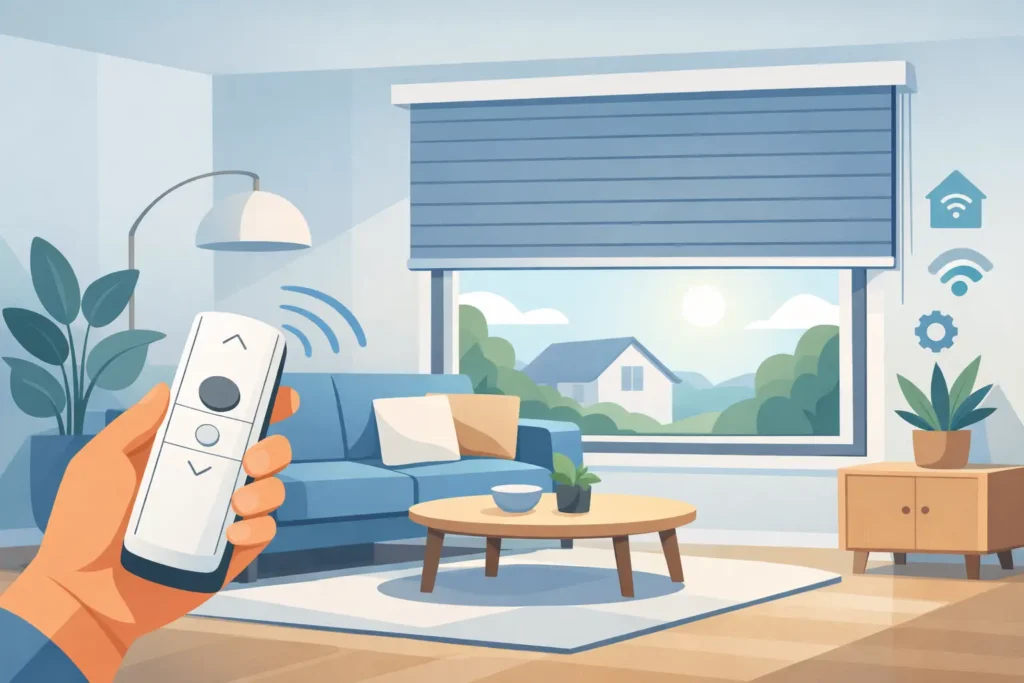
Motorized blinds use a small motor to raise, lower, tilt, or position the blinds at the touch of a button. Depending on the product, you may control them with a handheld remote, wall-mounted control, app, timer, smart-home system, or voice assistant. Some systems use replaceable or rechargeable batteries, while others are hardwired during construction or remodeling.
The immediate benefit is simple: no cords, no reaching, and no need to walk from window to window. That difference is especially noticeable in rooms with multiple windows. Instead of manually closing each treatment as the afternoon sun moves across the room, you can adjust an entire group at once.
Custom motorization also provides more precise control. You can stop blinds at a preferred height, tilt slats to soften glare without losing all daylight, or set shades to lower at a scheduled time. It is a small change in routine that can make a room feel more comfortable and more intentional.
Are Motorized Blinds Worth It? Start With Your Windows
Motorized blinds tend to deliver the greatest value when they solve a specific problem. Tall foyer windows, windows behind a sofa, skylights, and treatments installed above a tub are obvious examples. If a window is awkward to reach, manual operation often means the covering stays in one position for weeks. Automation lets you use the treatment as it was intended.
They are also worthwhile in rooms where light changes quickly. In Southern California, direct afternoon sun can create screen glare, raise indoor temperatures, and fade wood floors, artwork, upholstery, and area rugs. Closing blinds or shades before the strongest sun arrives can help manage those concerns without making the room feel permanently dark.
Bedrooms are another strong case. Scheduled blackout shades or room-darkening blinds can lower in the evening and rise in the morning without anyone handling cords. For nurseries, this can support a more consistent nap and bedtime routine. For offices, automated treatments can reduce glare during video calls and help create a polished, functional workspace.
If you have standard, easy-to-reach windows that you adjust only occasionally, motorization may be a convenience rather than a necessity. There is nothing wrong with choosing a high-quality manual option for those windows and reserving automation for the spaces where it will make the biggest difference.
The Benefits That Matter Day to Day
The strongest argument for motorized blinds is not the technology itself. It is how much easier it becomes to manage light, privacy, and comfort consistently.
Convenience for everyday routines. A single control can operate one window, a group of windows, or a full room. This is useful in open-concept living spaces and offices where several treatments need to move together. It also makes a noticeable difference for homeowners with limited mobility or anyone who prefers fewer repetitive tasks.
Better privacy at the right time. A timer can close window treatments before evening, rather than after you remember that interior lights are visible from the street. This is particularly helpful for street-facing rooms, bedrooms, and homes with close neighboring properties.
More thoughtful light and heat control. Automated schedules can respond to the daily sun pattern in your home. While blinds are not a replacement for insulation or HVAC improvements, properly selected window treatments can help reduce direct solar heat and glare when they are used consistently.
A cleaner look and added child safety. Motorized options eliminate dangling lift cords. That creates a neater appearance and reduces cord-related hazards in homes with young children or pets. Cordless manual products also offer safety benefits, but motorization adds the advantage of effortless operation.
Design continuity. Motorization can make large custom treatments feel as practical as they are attractive. You do not have to avoid a dramatic window wall, layered shades, or high-mounted blinds because operating them will be inconvenient.
The Trade-Offs to Consider Before You Buy
Motorized blinds cost more than comparable manual blinds, both because of the motorized components and because the system may require programming, power planning, and professional installation. The price difference varies widely by window size, material, control method, and whether the motor is battery-powered or hardwired.
Battery-operated systems are often an excellent fit for existing homes because they avoid opening walls for electrical work. Batteries do need periodic replacement or charging, however. The schedule depends on the size and weight of the treatment, how often it moves, and the type of battery used. For a remodel or new construction project, hardwired motorization can be worth considering when you want a permanent power source and a more integrated result.
Technology is another consideration. A remote-controlled setup is straightforward and reliable for many households. App controls, voice commands, and smart-home integration offer more flexibility, but they may require Wi-Fi setup and occasional updates. The most useful system is usually the one your household will actually use, not the one with the longest feature list.
Finally, motorized blinds require a quality product and careful installation. A custom treatment that is measured correctly, mounted securely, and matched to the appropriate motor will operate more smoothly and last longer than a poorly fitted option. This is where professional guidance is particularly valuable, especially with wide windows, heavier materials, or multiple treatments that need coordinated controls.
Choosing the Right Power and Control Option
There is no single best motorized system for every home. The right choice should fit the window, the room, and the stage of your project.
Battery-powered blinds are popular for finished homes because installation is less invasive. They work well for many standard-sized windows and can be a practical way to add automation room by room. Rechargeable battery options can reduce the need for frequent replacements, especially when charging access is convenient.
Hardwired blinds are often best during a renovation or new build, when electrical planning is already underway. They are well suited to large or frequently operated treatments and remove battery maintenance from the equation. They do require coordination before drywall and finish work are complete.
For controls, think about who uses the room and when. A remote may be ideal for a guest room. A wall control can be convenient by a bedside or patio door. Timers and smart-home controls make sense when you want blinds to follow a predictable schedule for privacy, sun control, or security while you are away.
Why Custom Measurement Makes a Difference
A motorized blind is only as effective as its fit. The wrong width can allow too much side light. An improperly selected fabric may not provide the privacy or room-darkening level you expected. A treatment that is too heavy for its motor, or mounted without proper support, can create performance issues over time.
An in-home consultation helps connect the technical details to the real room. You can see samples against your wall color and furnishings, evaluate how sunlight enters throughout the day, and discuss whether a blind, shade, shutter, or layered treatment better fits the space. You can also determine which windows truly benefit from motorization, rather than adding it everywhere without a clear purpose.
For homeowners and office clients in Los Angeles County and Orange County, Blinds by Design provides this kind of guided process, from in-home measurement and product selection through professional installation. That approach is especially helpful when you are coordinating multiple windows, different room needs, and a specific design direction.
A Practical Way to Decide
Before choosing motorization, walk through your home at the times when you most often adjust the light. Notice which windows create glare, feel exposed after dark, or are difficult to reach. Consider whether you would use scheduled adjustments, grouped controls, or simple remote operation. Then compare the added investment against how frequently those features would improve your routine.
Motorized blinds are often worth it for primary living areas, bedrooms, offices, large window walls, and any window that is hard to access. They may be less essential in low-use rooms with small, easy-to-reach windows. A thoughtful mix of motorized and manual custom treatments can deliver both convenience and value.
The right window coverings should not become another thing to manage. When a treatment fits the room, the light, and your daily habits, it quietly makes your home more comfortable every time the sun shifts.