
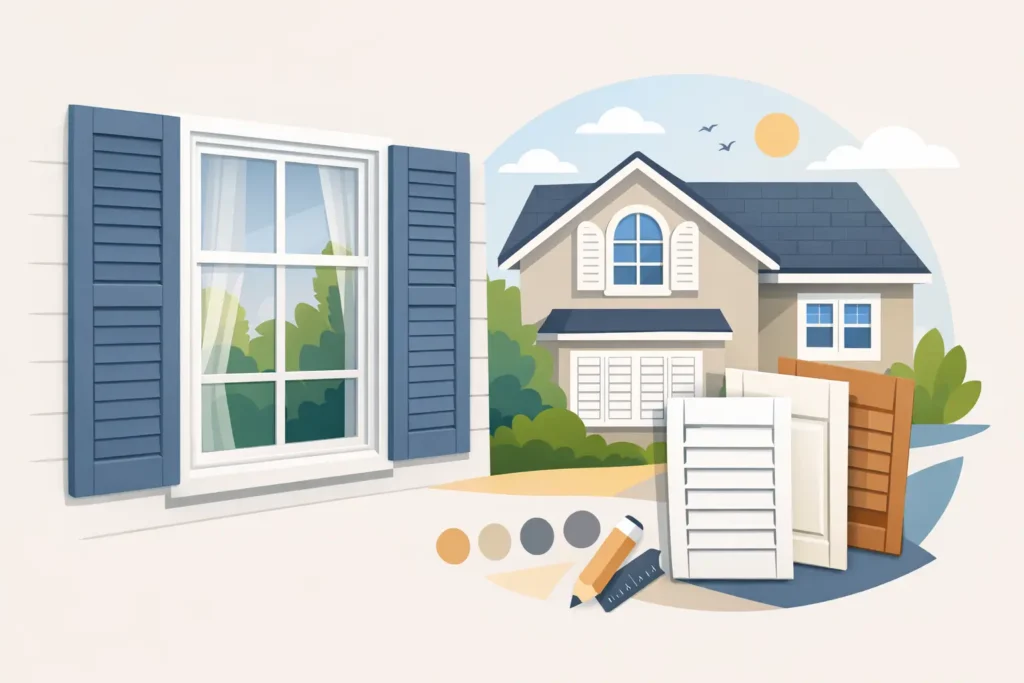
A west-facing Los Angeles living room can look beautiful at noon and feel unlivable by 3 p.m. Glare on the television, heat near the windows, and little privacy after sunset all make the right window covering matter. Custom window shutters address those everyday concerns while giving a room a finished, built-in look that off-the-shelf treatments rarely achieve.
For homeowners and office decision-makers, shutters are not a one-size-fits-all purchase. Window dimensions, frame depth, sun exposure, room use, architectural style, and budget all shape the right choice. A professional consultation helps turn those details into a treatment that looks intentional and works well for years.
Why Custom Window Shutters Are Different
Shutters are a permanent-feeling window treatment. Their panels are fitted to the window opening or surrounding frame, and adjustable louvers allow you to control light and sightlines throughout the day. Tilt the louvers upward to bring in daylight while limiting direct views from outside, or close them for stronger privacy and a more restful room.
The custom difference begins with fit. Many Southern California homes have windows that are not perfectly square, especially after renovations, settling, or previous trim work. A made-to-measure shutter accounts for those small variations. Panels align properly, louvers operate smoothly, and the finished treatment sits cleanly within the window area instead of looking added on as an afterthought.
Custom sizing also matters on wide openings, French doors, bay windows, and unusually shaped windows. These spaces often need thoughtful panel configurations and careful hinge placement. The goal is not merely to cover glass. It is to preserve access, maintain a balanced appearance, and make daily operation comfortable.
Choose Shutter Materials for the Room, Not Just the Look
Material selection is one of the most important decisions because each option performs differently. The best choice depends on moisture, heat, window size, desired finish, and how the space is used.
Wood shutters
Wood offers natural warmth, visible grain, and a classic furniture-quality appearance. It can be an excellent match for traditional homes, refined living spaces, and interiors with stained wood accents. Wood is also relatively lightweight, which can be useful for larger panels.
That said, wood needs the right environment. Bathrooms, laundry rooms, and windows exposed to frequent moisture may call for a more moisture-resistant alternative. Painted wood can create a clean, timeless look, but homeowners should consider the maintenance expectations and the effect of intense sun on any painted finish.
Composite and engineered shutters
Composite shutters are popular for their durable construction and consistent finish. They can provide the tailored appearance homeowners want while standing up well to busy family spaces and everyday use. Depending on the product, composite materials may also be a practical option for rooms where humidity or temperature changes are a concern.
The trade-off is weight. Larger openings may require a design that keeps panels manageable and supports reliable operation over time. A professional can recommend the right panel width, divider rail location, and mounting approach for the specific window.
Vinyl or polymer shutters
Polymer-based shutters are often chosen for bathrooms, kitchens, and other moisture-prone areas. Their easy-care surfaces and resistance to humidity make them a sensible functional choice. They can also suit homes where low maintenance is a top priority.
However, not every polymer shutter is appropriate for every large or high-heat opening. Quality, reinforcement, color, and installation details affect how the shutter performs. It pays to compare products based on the actual room rather than selecting only by a sample color.
Light Control Comes Down to Louver Size
Louver size changes the look and function of a shutter more than many people expect. Smaller louvers create a more traditional, detailed appearance. Larger louvers offer a more open view when tilted and can complement contemporary homes with broader window lines.
For a room with a view, larger louvers may help keep the visual connection to the outdoors when the shutters are open. In a street-facing bedroom or bathroom, the ability to angle louvers for privacy can be the bigger advantage. There is no universal best option. The right scale should feel proportional to the window and support how the room is used.
A divider rail can add another layer of control. This horizontal rail separates upper and lower louvers so each section can be adjusted independently. For example, the lower section can remain closed for privacy while the upper section is tilted open for natural light. It is a small design decision that can make a noticeable difference in rooms close to neighbors or busy streets.
Plan for Privacy, Heat, and Daily Use
Los Angeles County and Orange County homes often face strong afternoon sun, close neighboring properties, or both. Shutters can help manage these conditions, but their layout should match the exposure.
In sun-heavy rooms, adjustable louvers give you flexibility that fixed coverings cannot. You can redirect daylight rather than blocking it completely. Still, shutters are not a replacement for every energy-saving measure. Very large glass areas, older windows, and direct western exposure may benefit from a broader plan that considers window performance and other shading solutions as well.
For privacy, consider what is visible from the sidewalk, a neighboring second story, or an adjacent building. Full-height shutters provide complete coverage and a unified appearance. Cafe-style shutters cover only the lower portion of the window, leaving the upper glass open for light. Cafe shutters can be attractive in dining rooms and front-facing spaces, though they are not the best fit when complete nighttime privacy is required.
Also think about how often the window needs to open. Windows behind furniture, doors with glass inserts, and frequently used patio doors may need different configurations than a decorative picture window. Good shutter design respects how you live in the space.
Details That Make the Installation Look Finished
The quality of custom shutters is visible in the details. Color should relate to the room’s trim, cabinetry, wall tone, and flooring. Matching bright white trim may be ideal in one home, while a warmer white or painted neutral may feel more natural in another. Samples should be viewed in the actual room because daylight and evening lighting can change how a color reads.
Mounting style matters too. An inside mount places shutters within the window opening and can create a clean, contained look when there is enough depth and a suitable frame. An outside mount is installed over or around the opening and can solve shallow-depth issues or create a more substantial framed appearance. Neither is automatically better. The window construction determines what will look and function best.
Professional measurement is especially valuable here. Accurate measurements account for out-of-square openings, obstructions such as cranks or handles, trim variations, and clearance for panels to open. Installation should leave panels level, secure, and easy to operate, without rubbing against the frame or interfering with nearby doors and furnishings.
A Better Way to Buy Custom Window Shutters
Shutter shopping is easier when you can compare materials, colors, louver sizes, and panel designs where they will actually be installed. A sample that looks right under showroom lighting may feel too cool, too bright, or too heavy in your home. Seeing options against your walls, flooring, and natural light leads to more confident decisions.
A full-service process also reduces the handoffs that can create problems. Rather than measuring on your own, placing an order, and finding an installer later, work with a team that can guide product selection, take precise measurements, and complete the installation. This approach is particularly helpful for remodels, multiple-window projects, and offices where consistency across rooms matters.
Blinds by Design brings that guidance directly to homeowners and businesses, with an in-home consultation that focuses on your windows, your design goals, and your budget. The result should be more than a good-looking shutter. It should be a treatment that feels right every time you adjust the light, close out the afternoon sun, or enjoy the privacy of your own space.
If you are considering shutters for one room or an entire property, schedule a free consultation before making a final material or style decision. A close look at the windows themselves is the best starting point for a result that fits beautifully and performs the way you need it to.