
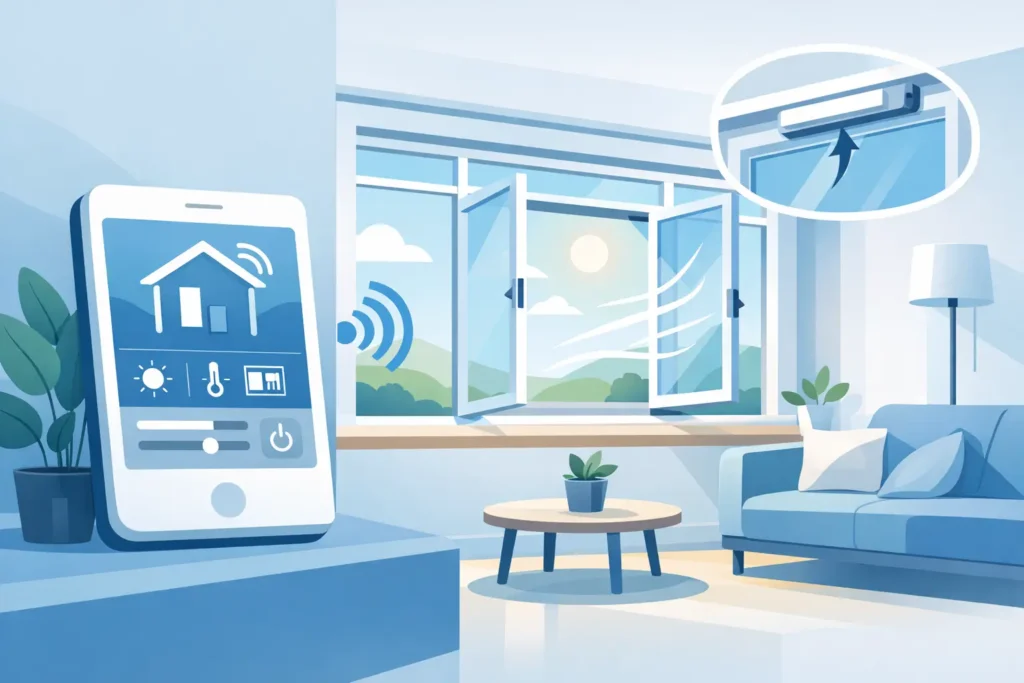
A bright Los Angeles afternoon can turn a comfortable room into a hot, glare-filled space in minutes. Window automation gives homeowners a simple way to respond without walking from room to room, pulling cords, or leaving shades closed all day. With the right custom window treatments, you can adjust light, privacy, and comfort with a remote, wall control, app, or scheduled setting.
For many homeowners, motorized shades or blinds are not just a technology upgrade. They are a practical part of making a home easier to live in. The best solution depends on your windows, room use, preferred style, and how much control you want over the light throughout the day.
What Window Automation Can Do for Your Home
Automated window treatments use a motor to raise, lower, tilt, or position shades, blinds, or shutters. Some systems operate with a handheld remote. Others can be controlled by a wall-mounted switch, a smartphone app, or a compatible smart-home platform. You can also create schedules so treatments adjust at set times without any daily effort.
The convenience is immediately noticeable in rooms with several windows, tall ceilings, or hard-to-reach openings. A bank of shades in a living room, for example, can lower together when the afternoon sun reaches the space. In a bedroom, blackout shades can close on a timer for better sleep and open gently in the morning.
Automation also supports a more consistent approach to privacy. Rather than remembering to close every treatment at dusk, you can schedule them to lower around the time exterior visibility increases. This is especially helpful in homes with street-facing windows, close neighbors, or large glass doors.
There can be energy benefits as well. Closing shades during intense afternoon sun can reduce glare and help limit heat gain. In cooler months, properly selected insulating shades may help rooms feel more comfortable near the window. Automation is not a replacement for efficient windows or a complete HVAC strategy, but it can help you manage solar exposure more intentionally.
Choosing the Right Automated Window Treatment
The motor is only one part of the decision. The treatment itself must still suit the room. A beautiful automated product that does not provide enough privacy, light control, or insulation will not meet the needs of the space.
Motorized Shades for Soft Light Control
Motorized shades are a popular choice for bedrooms, living areas, media rooms, and offices because they offer a clean, tailored appearance. Roller shades work well for modern interiors and can be selected in materials ranging from light-filtering solar fabrics to room-darkening options. Cellular shades are often considered where insulation is a priority, while Roman shades bring a softer, more decorative look.
For rooms that need flexibility, dual shades can combine a light-filtering fabric with a blackout layer. This setup lets you enjoy daylight when you want it and greater privacy or darkness when you need it. The trade-off is that a dual system can require more planning for mounting space and fabric selection.
Automated Blinds for Adjustable Views
Blinds are useful when you want to manage both incoming light and the direction of the view. Motorized horizontal blinds can raise and lower, while some options also allow the slats to tilt. That can be especially valuable in a home office, kitchen, or family room where direct sun creates glare but you do not want to block all natural light.
Material matters. Wood and faux wood blinds offer a classic, substantial appearance, while aluminum blinds can provide a slimmer profile. Faux wood is often a practical choice in areas with moisture or frequent temperature changes. Each material has a different visual weight, so it is worth seeing samples in the room before making a final selection.
Motorized Shutters for Structure and Privacy
Plantation shutters offer a more architectural look and can be an excellent fit for traditional, transitional, and coastal-inspired interiors. Depending on the shutter design, motorization may control louver tilt for quick privacy and light adjustment. Shutters are a long-term investment, so accurate measuring and careful installation are especially important for a clean fit and smooth operation.
Shutters do not usually provide the same room-darkening performance as a blackout shade. If complete darkness is a priority, a layered treatment may be the better answer. The right choice comes down to how the room is used, not simply which product has the most features.
Power Options: Battery, Plug-In, or Hardwired
One of the first planning questions is how the motor will be powered. Battery-powered systems are often a convenient option for existing homes because they avoid the need to run new electrical wiring. They work well for many standard windows and can provide a clean finished appearance. Batteries will eventually need recharging or replacement, however, and access should be considered for high windows.
Plug-in systems can be a good choice when an outlet is nearby and the power cord can be positioned discreetly. They avoid battery maintenance but are not always ideal for every window layout.
Hardwired automation is often best planned during new construction or a larger remodel. It can provide a permanent power solution without routine charging, but it requires coordination with an electrician before walls are closed. For a few windows, this level of work may not be necessary. For a whole-home project, it can be worth considering.
Solar charging accessories are available for certain products and can reduce the need for manual battery charging when the window receives sufficient light. Their suitability depends on window orientation, treatment style, and the amount of direct sun available.
Smart Controls Should Match Your Routine
The most useful smart-home feature is the one you will actually use. Some clients prefer a straightforward remote with grouped controls for the living room, primary bedroom, or patio doors. Others want app control while traveling or scheduled settings that respond to the time of day.
Before choosing a system, think about everyday routines. Do you want shades to close before the strongest afternoon sun? Would you like bedroom treatments to open on weekday mornings? Do you need the convenience of operating a high clerestory window from the ground? Clear answers to these questions help determine whether simple remote control is enough or whether integrated automation makes sense.
It is also wise to avoid overcomplicating the project. A smart-home system can be helpful, but it should not make basic operation difficult for family members, guests, or office staff. Reliable manual controls, remotes, and clearly programmed scenes can often provide all the convenience a household needs.
Why Professional Measurement and Installation Matter
Automated treatments are custom products, and small measurement errors can affect appearance and performance. This is particularly true for inside-mounted shades, multiple treatments installed side by side, wide openings, and windows with uneven frames or limited depth.
Professional planning also addresses details that are easy to overlook: where the motor will sit, how the treatment will stack when open, whether window trim will interfere, and how controls will be grouped. For battery-powered products, the installer can help ensure the battery tube is accessible. For hardwired systems, the project should be coordinated early enough to avoid visible cords or last-minute electrical changes.
At Blinds by Design, the in-home consultation makes it easier to compare materials, colors, opacity levels, and motorized options where they will actually be used. Seeing samples against your walls, flooring, and natural light is far more reliable than choosing from a small online image.
Plan Automation Room by Room
You do not have to automate every window at once. Many homeowners begin with the rooms where the benefit is clearest: a sun-facing family room, a primary bedroom, a media room, or high windows that are difficult to reach. This approach can make the investment more manageable while giving you a chance to learn which features best fit your routine.
For an office, glare control may be the main goal. For a nursery, quiet operation and room darkening may matter most. For a large living room, grouping several treatments on one control can simplify the entire space. A thoughtful plan considers each room’s function rather than applying the same product everywhere.
A well-designed automated treatment should feel natural in the home, not like another device that needs attention. Start with the light, privacy, and comfort challenges you want to solve, then select a custom shade, blind, or shutter system that fits the room and your daily routine. A professional consultation can turn those priorities into a solution that looks as good as it works.