
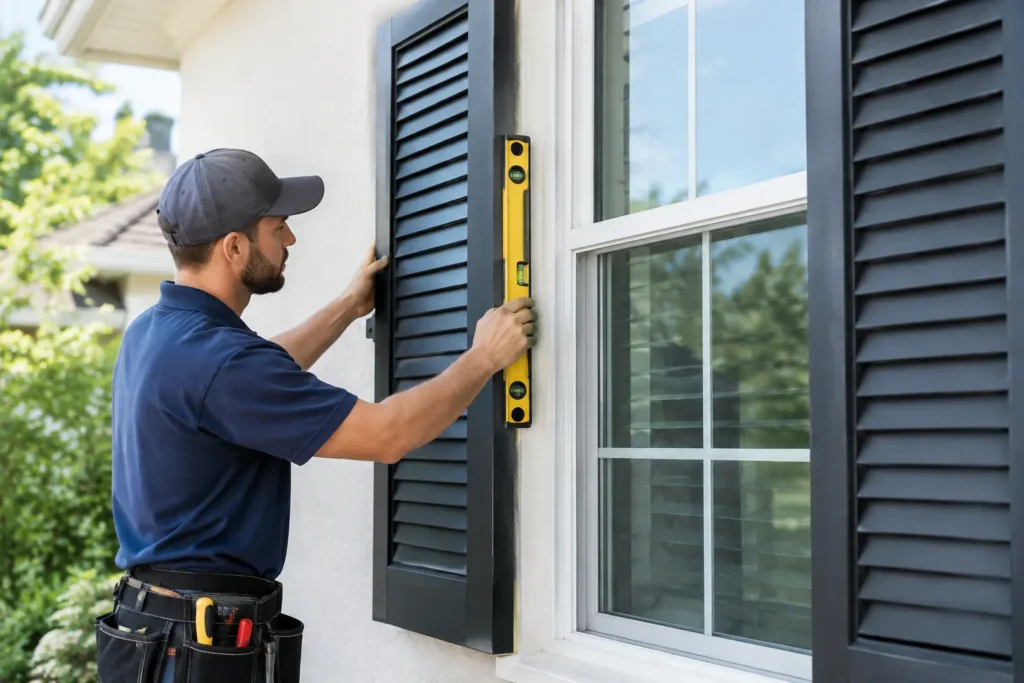
A shutter that looks perfectly at home in a Los Angeles living room is rarely an off-the-shelf purchase. It must fit the window precisely, operate smoothly, complement the room, and stand up to daily use. That is why shutter installation costs are shaped by more than the number of windows in your home.
For homeowners, shutters are often a long-term design decision. They add architectural character, provide dependable privacy and light control, and can create a finished look in bedrooms, kitchens, living areas, and home offices. Understanding what goes into the price helps you compare options thoughtfully and choose a solution that suits both your space and budget.
What Is Included in Shutter Installation Costs?
A complete shutter project generally includes the product itself, professional measuring, customization, installation hardware, and labor. With custom shutters, each panel is made to the dimensions and configuration of the individual window. The installer also accounts for details that are easy to miss when shopping by price alone, such as molding depth, handle clearance, window cranks, uneven walls, and how panels will open.
This full-service approach matters because a shutter can be high quality and still disappoint if it is measured or installed incorrectly. Panels that rub, tilt rods that do not operate cleanly, or gaps that allow unwanted light can affect both appearance and function. Professional installation is the final step that makes a custom product feel intentional rather than added on.
A consultation and in-home measurement also add practical value. Seeing samples in the actual room makes it easier to judge color, texture, privacy, and light filtering against your floors, paint, furniture, and natural light. A bright west-facing room in Orange County may call for a different material or louver size than a shaded bedroom in Downey.
The Main Factors That Affect Shutter Pricing
Window size and shape
Larger windows require more material, wider panels, and sometimes additional support. A standard rectangular window is usually the most straightforward configuration. Tall windows, wide openings, bay windows, arched windows, French doors, and specialty shapes require more planning and fabrication, which can increase the total investment.
The number of panels matters as well. A wide opening may need multiple panels so the shutters remain easy to use and do not feel overly heavy. More panels can offer better day-to-day function, but they also add components and installation time.
Material selection
Material is one of the biggest variables in shutter installation costs. Wood shutters offer natural warmth and can be an excellent choice when a home calls for a classic, furniture-like finish. They are often selected for living rooms, dining rooms, and spaces where detail and grain are central to the design.
Composite and engineered shutter materials can provide a clean, consistent look with strong durability. They are often well suited to high-humidity areas, busy family spaces, kitchens, and bathrooms, depending on the specific product. Vinyl options may offer a practical route for certain rooms and budgets, though the right choice depends on window size, desired appearance, and how much structural support the opening needs.
The lowest product price is not always the best value. A material that fits the room’s moisture exposure, sunlight, and usage patterns can help protect your investment over time.
Louver size and operating style
Louvers are the horizontal slats that control light and privacy. Wider louvers create a more open view when tilted open and often suit larger windows or contemporary interiors. Smaller louvers can create a more traditional look. The style you choose affects the overall design and may affect fabrication requirements.
Operating options also influence the final price. Traditional tilt rods create a familiar shutter appearance. Hidden tilt systems offer a cleaner, more streamlined look. Split tilt configurations let you close the lower section for privacy while keeping the upper louvers open for daylight, which can be especially useful on street-facing windows.
Frame, color, and custom details
Frames are not merely decorative. They create the finished transition between the shutter and the window opening, and the best frame choice depends on trim, depth, and installation conditions. Homes with substantial molding may need a different approach than homes with modern, minimal trim.
Standard whites are popular because they work across many styles and reflect the light common in Southern California interiors. Custom colors, specialty finishes, and stain matching can add to the price, but they may be worthwhile when shutters need to coordinate closely with cabinetry, millwork, or a specific design palette.
Other custom details can include divider rails, specialty panel arrangements, bypass panels, bi-fold panels, and door hardware. These features should be selected for a clear functional reason, not just because they are available.
Installation complexity
Two windows with the same dimensions can have very different installation needs. Older homes may have uneven openings. Deep sills, recessed windows, security sensors, alarm components, or nearby door hardware can require adjustments. Large or heavy panels may need added care to ensure stable, lasting operation.
This is one reason an in-home measurement is more reliable than estimating from a photo or a rough width and height. A professional can identify concerns before the shutters are ordered, helping prevent surprise changes later in the process.
Why Custom Shutters Cost More Than Ready-Made Options
Ready-made shutters may seem like a simple way to reduce the initial cost, especially for common window sizes. However, many homes have windows that vary slightly from room to room, even when they appear identical. Standard products may require compromises in fit, mounting, color, or operation.
Custom shutters are designed around the actual opening rather than forcing the opening to work around a preset size. The result is typically cleaner lines, better light control, and a more integrated appearance. For a homeowner who plans to stay in the property for years, that difference can be meaningful.
There is a trade-off, of course. Custom products take more planning and have a higher upfront investment than a basic retail solution. They are most worthwhile when fit, durability, design consistency, and professional support matter as much as the starting price.
How to Budget for a Shutter Project
Start by identifying the rooms where shutters will have the greatest impact. Bedrooms, front-facing windows, living rooms, and home offices are common priorities because they combine privacy, light control, and visual presence. Completing a first phase well can be more satisfying than choosing a lower-grade option for every room at once.
During your consultation, be clear about your budget range and the goals for each space. Perhaps the priority is privacy on a busy street, moisture resistance in a bathroom, or a refined wood look in a formal room. That information allows the consultant to recommend materials and configurations that make sense instead of treating every window the same.
It is also wise to compare proposals based on what is included. Ask whether the quote accounts for measuring, custom fabrication, frames, hardware, installation, and any special conditions. A lower number may not represent the same scope of work as a complete, professionally managed project.
Getting the Best Value From Professional Installation
The best value is not simply the least expensive shutter. It is the option that looks right, works reliably, and fits the way you use your home. A well-designed shutter can make a room feel more private without making it dark, or reduce glare without closing off the view entirely.
Working with an experienced local specialist also makes the process easier. Blinds by Design brings samples and design guidance to your home, measures the actual windows, and coordinates professional installation so there is one clear point of contact from selection through completion.
Before making a final decision, stand in each room at different times of day and consider how you want the window to function. The right shutter plan begins with your home, your light, and the details that will make the finished result feel right for years to come.